Print-on-Demand: The Technical Revolution for Indie Authors
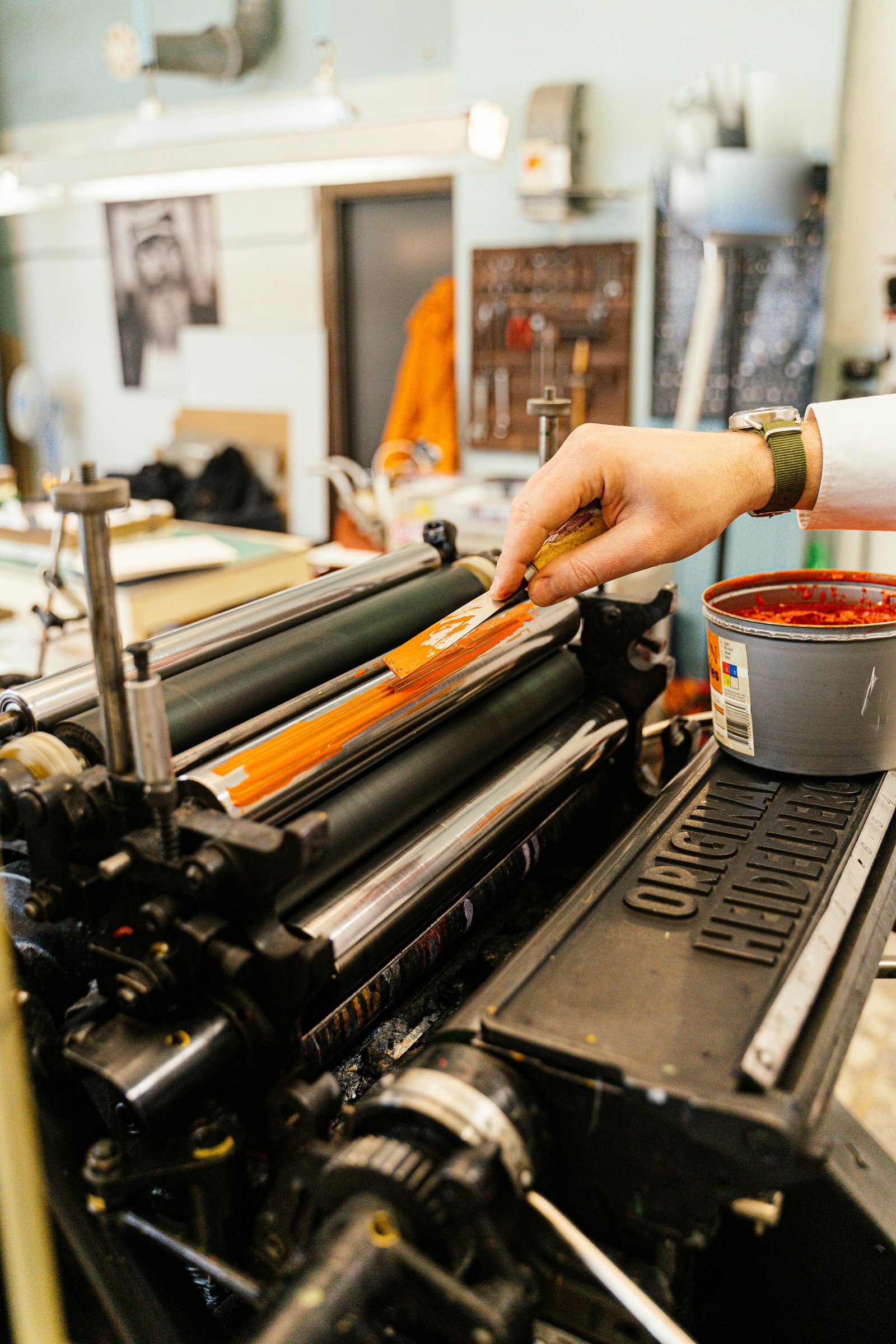
Say goodbye to garage-fulls of unsold books. POD allows for global distribution with zero inventory risk.
The End of the Garage Inventory Problem
For the first several decades of self-publishing history, aspiring authors who wanted physical books faced a brutal economic reality. To get a reasonable per-unit printing cost, you had to order a minimum run of 1,000 books — which cost thousands of dollars upfront and left you with boxes of books stacked in your garage or spare bedroom. Selling those 1,000 copies was an enormous challenge for any author without existing distribution infrastructure, and many self-published authors ultimately threw away or donated most of their print run. Print-on-Demand technology has comprehensively eliminated this financial risk and democratized access to professional physical book publishing for authors at every career stage.
How Print-on-Demand Technology Works
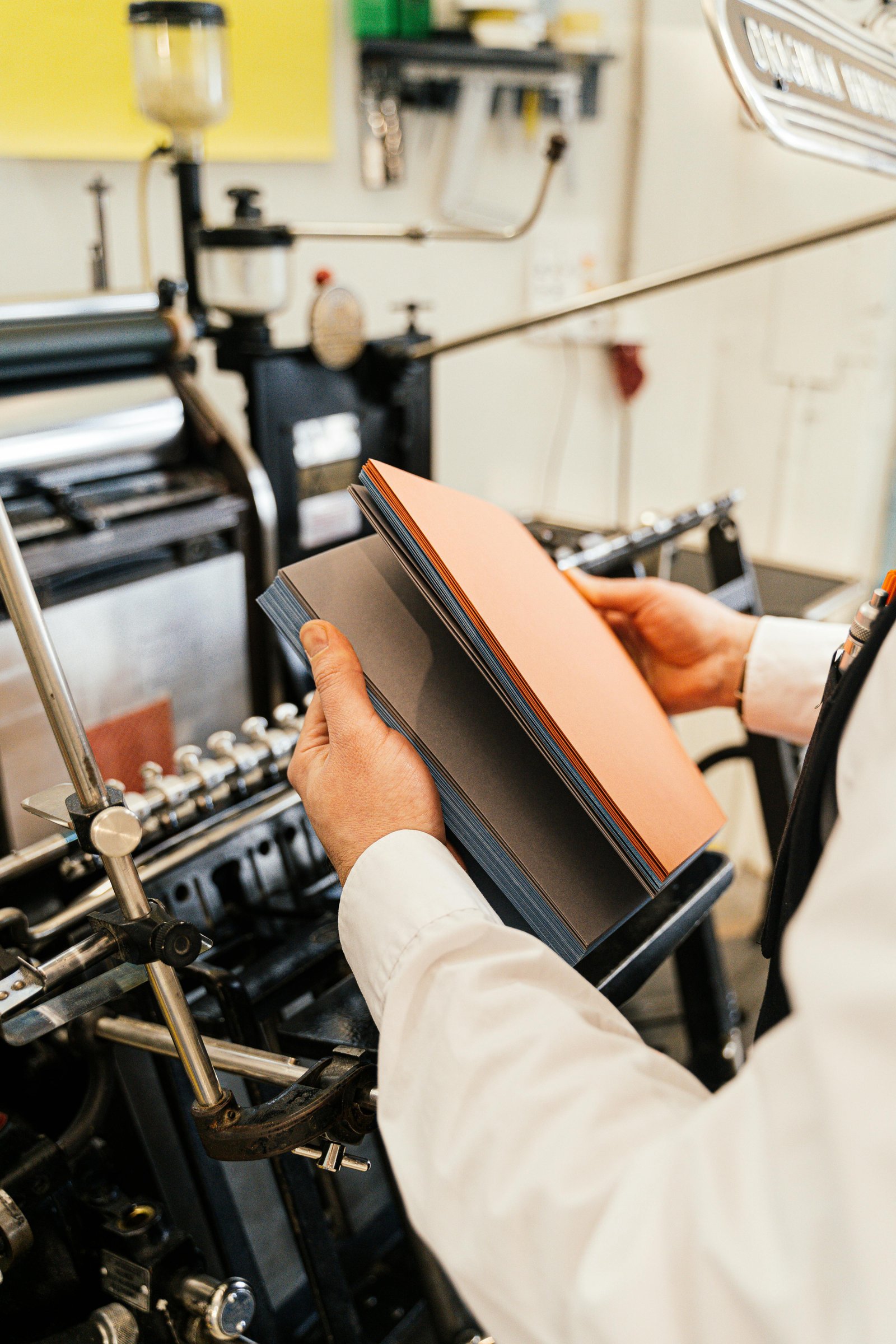
Print-on-Demand is exactly what its name suggests: books are printed individually, on demand, only after a customer has placed and paid for an order. When a reader purchases your paperback on Amazon, a printing facility — often located close to the reader for faster delivery — receives the print order, prints and binds a single copy of your book using your uploaded print-ready PDF, and ships it directly to the customer. The entire process typically takes one to three business days, and the reader receives a book that is indistinguishable in quality from one produced in a traditional offset print run. You never touch the inventory, never handle the shipping, and never risk being left with unsold stock.
Global Distribution at the Click of a Button
POD services like IngramSpark and Amazon KDP Print do not just print books — they provide access to global distribution networks that would otherwise require complex wholesale agreements with multiple regional distributors. By uploading your print-ready files to IngramSpark, your physical book becomes automatically available for ordering by approximately 39,000 independent bookstores, public libraries, school libraries, and online retailers across more than 200 countries. You can sell a paperback to a reader in Australia or Germany or Brazil while sleeping in your home in New York, with zero shipping coordination, customs management, or logistics on your part. This level of global physical distribution was simply not accessible to independent authors before Print-on-Demand.
Comparing Major POD Platforms
- Amazon KDP Print: Best for Amazon sales; free to use; fastest delivery to Amazon customers
- IngramSpark: Best for bookstore and library distribution; small setup fee per title; widest distribution network
- BookVault: UK-based; excellent for European distribution; strong quality reputation
- Lulu: Good for specialty formats (coil binding, large format); direct-to-consumer sales platform included
- Blurb: Specialized in photography books, cookbooks, and art books; professional quality options
Quality Parity With Legacy Publishers
One of the most common objections to POD from authors considering it for the first time is concern about quality. Will a POD book look and feel as professional as a traditionally published book? In 2026, the honest answer is: yes, if you prepare your files correctly and choose the right paper and cover finish options. The inkjet and digital offset printing technology used by major POD facilities has advanced to the point where a properly prepared POD paperback is genuinely indistinguishable from a traditionally printed book to any but the most expert eye. The key variables are your file preparation — your interior PDF must be properly formatted with correct margins, embedded fonts, and 300 DPI images — and your choice of paper type and cover lamination finish.
Calculating Your POD Profit Margin
Understanding the economics of POD is essential for pricing your book correctly and setting realistic revenue expectations. With POD, your royalty is calculated as your retail price minus the printing cost minus the platform's distribution fee. On Amazon KDP Print for a 300-page standard paperback at a $14.99 retail price, the printing cost is approximately $3.65, and Amazon takes 40% of the retail price as its fee — leaving you a royalty of approximately $4.34 per sale. Through IngramSpark at the same specifications, your numbers will differ slightly based on the discount you offer retailers (typically 55%). Use the royalty calculators provided by both platforms to model different pricing scenarios before finalizing your retail price, ensuring your price covers printing costs while remaining competitive in your genre's market.
The Future of Print-on-Demand Technology
As technology continues to advance, the capabilities of Print-on-Demand will only grow more impressive. We are already seeing improvements in paper quality, color reproduction, and binding options, narrowing the gap between POD and traditional offset printing. In the future, we may see even faster turnaround times, localized micro-printing facilities that further reduce shipping costs, and expanded options for custom book formats. For indie authors, this means fewer compromises and greater freedom to produce beautiful, professional-grade physical books without the financial burden of large print runs. Print-on-Demand is not just a convenient alternative; it is the cornerstone of a more democratic, accessible, and sustainable publishing industry.